
Choosing a specialty clinic management system in Jordan is a vital step toward organizing consent forms, treatment plans, and electronic medical records. Specialty clinics—such as dental, ophthalmology, aesthetics, and orthopedics—face unique challenges in managing a large volume of paper documents, which affects workflow efficiency, data accuracy, and patient safety.
This practical guide explains how to organize these critical documents, link them to a unified patient file and national ID, and leverage digital solutions to improve your clinic's management. We will cover the essential steps, the key features to look for in a system, and how solutions like Tadawi can support this digital transformation in Jordan's healthcare sector.
Key Takeaways
- Centralize Records: A specialty clinic management system should allow you to consolidate all consent forms, treatment plans, images, and reports into a single electronic patient file.
- Link to Identity: Use the National ID number as the primary patient identifier to prevent duplicate records. In Jordan, integrated systems like Tadawi can use the Sanad service for data verification.
- Custom Templates: Choose a system that allows you to create and customize templates for consent forms and treatment plans to fit your specific specialty's needs (e.g., dental implant planning or laser session tracking).
- Access Controls: Ensure the system provides role-based access permissions for each staff member (receptionist, doctor, manager) to protect patient data privacy and comply with regulations.
- Archiving and Search: The system should make it easy to archive and quickly search for documents using the patient's name, national ID, or visit date, saving time during follow-ups.
Why Do Specialty Clinics Need a Dedicated System for Forms Management?
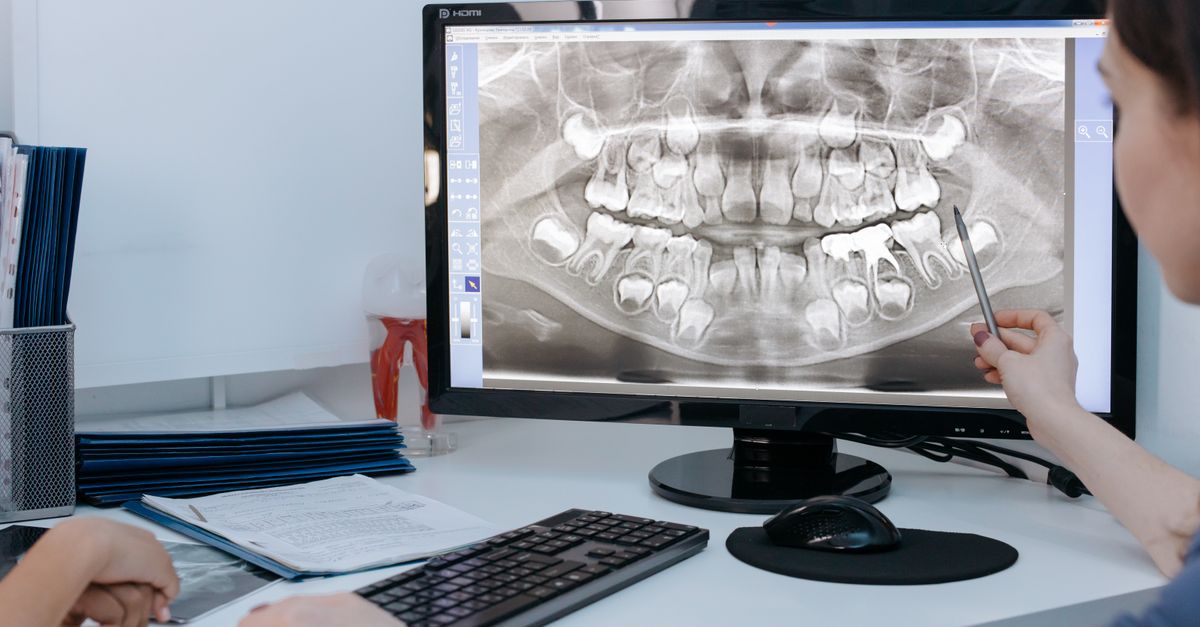
Specialty clinics need a system that goes beyond simple appointment booking and billing. A dental clinic's records differ from a dermatology clinic's; the former requires dental charts and panoramic X-rays, while the latter needs before-and-after photos for cosmetic procedures. A specialized system understands these differences and provides the necessary tools to document them in an organized and secure manner, ensuring continuity and quality of care.
Practical Steps to Organize Consent Forms and Treatment Plans Electronically
To transition your clinic from paper-based chaos to digital efficiency, follow these systematic steps when implementing any specialty clinic management system in Jordan:
- Standardize Templates and Forms: Start by creating unified electronic templates for all your forms, such as treatment consent, information sharing consent, and treatment plans. You can reference the Informed Consent Form provided by the Jordanian Ministry of Health as a primary reference.
- Create a Unified Patient File: When registering a new patient, use their National ID number as a unique identifier. In Jordan, systems like Tadawi can integrate with the Sanad service to accurately fetch the patient's basic data and reduce manual errors.
- Link Every Document to a Visit: Instead of saving documents in separate folders, link each consent form, treatment plan, or X-ray image to its specific visit within the patient's file. This creates a clear chronological record of the patient's treatment history.
- Document Consent Before the Procedure: Ensure the system records the date and time consent was obtained, the name of the procedure, and the responsible physician. This electronic documentation is crucial from a legal and professional standpoint.
- Build Treatment Plans Within the System: Use the system's tools to create detailed treatment plans that include the planned procedures, number of sessions, estimated cost, and proposed appointments. This makes it easier for the patient to understand the plan and for the team to track its execution.
- Define Access Permissions: Assign different permissions to reception staff, doctors, nurses, and administrators. Access to sensitive medical information should be restricted to authorized clinical staff only.
- Train Your Team on Proper Archiving: Establish a clear policy for naming attached files (e.g., 'Panoramic_X-ray_2026-11-15') and categorizing them to ensure they are easy to find later.
Storing National ID vs. Direct Integration with Sanad
It's important to understand the difference between simply having a field for the National ID number and having a true integration with government databases. The following table highlights the key differences:
| Feature | Storing National ID (Manual Entry) | Direct Integration (e.g., Tadawi's Sanad Integration) |
|---|---|---|
| Mechanism | The receptionist manually types the ID number and name from the patient's ID card. | The system queries the National ID via the Sanad service to automatically fetch the full name and date of birth. |
| Data Accuracy | Prone to spelling mistakes or data entry errors. | Very high, as data is pulled directly from the civil registry. |
| Benefit for Clinic | Serves as an internal identifier only. | Ensures accurate files, prevents duplicates, and speeds up new patient registration. |
How Tadawi Helps as a Specialty Clinic Management System in Jordan
Tadawi is designed to meet the complex needs of modern clinics in the region. Tadawi is a cloud clinic management system for clinics in Jordan and Iraq that brings appointments, patient records, prescriptions, billing, insurance and WhatsApp messaging into one screen. For specialty clinics, the system offers practical solutions to the challenges of managing forms and records.
The electronic patient file in Tadawi includes a complete visit history, and all types of documents can be attached to it, from X-rays and lab reports to signed consent forms. Furthermore, its Specialty Workspaces, such as the Dental and Aesthetics workspaces, provide tools and interfaces specifically designed for those fields, making it easier to document and track treatment plans.
In Jordan, Tadawi integrates with essential national services to simplify clinic operations. Through its Sanad integration, new patient data can be accurately populated just by entering the National ID number. Additionally, the system supports integration with the JoFotara national e-invoicing platform and the Hakeem system for managing insurance pre-authorizations and claims, making Tadawi a comprehensive and integrated solution for clinic management.
Frequently Asked Questions
Does the Tadawi system link patient files to the National ID?
Yes, in Jordan, the Tadawi system uses the National ID as the primary patient identifier. More importantly, it integrates with the government's Sanad service to automatically fetch a patient's basic data upon registration, ensuring data accuracy and preventing duplicate files.
How can I save patient consent forms electronically?
You can save consent forms electronically in two ways. The first is to scan the signed paper form and attach it as a PDF or image file to the patient's visit in the system. The more advanced method is to use electronic form templates within the system, which the patient can sign digitally if the system supports that feature.
Are electronic medical records (EMRs) legally recognized in Jordan?
Yes, the use of EMRs is recognized and growing in Jordan, and it is a key part of the country's digital health transformation strategy. Clinic management systems must comply with data protection and patient privacy laws to ensure legal validity and security.
Who can access the electronic medical record?
Access to the EMR should be controlled through a role-based permission system. In a system like Tadawi, the administrator can define who can view or edit specific parts of a patient's file, so a doctor can access clinical information while a receptionist's access is limited to administrative and scheduling data.
How do I choose the right clinic management system for my specialty?
Look for a system that offers specialty-specific workspaces or templates. For example, a dental clinic needs a dental chart, and an eye clinic needs to record vision measurements. Also, ensure the system is flexible enough to let you create your own forms and attach different file types.
Key Terms
- Electronic Medical Record (EMR)
- A digital record of a patient's medical history and treatments within a single clinic, containing notes, diagnoses, prescriptions, and attachments.
- Informed Consent
- A process in which a patient agrees to a medical procedure after being fully and clearly informed of the benefits, risks, and available alternatives.
- Treatment Plan
- A detailed document created by a physician that outlines the proposed diagnostic and therapeutic procedures for a patient, along with the timeline and expected costs.
- National ID Number
- A unique identification number assigned to every Jordanian citizen, used for identity verification in official records and government and digital services.
In conclusion, digital transformation is no longer an option but a necessity for specialty clinics aiming for growth and excellence. Implementing a specialty clinic management system in Jordan like Tadawi not only solves the problem of organizing consent forms and treatment plans but also lays a solid foundation for improving the patient experience, increasing team efficiency, and ensuring compliance with professional and legal standards. You can read other articles on clinic management to learn more.
Want to put this into practice at your clinic? Try the Tadawi clinic management system and request a free demo for your specialty.