
Your Complete Guide: How Is an Electronic Prescription Dispensed in Jordan Using Only the National Number?
In the era of digital transformation sweeping through Jordan's healthcare sector, the electronic prescription has become a cornerstone of modern, integrated healthcare delivery. But the most critical question on the minds of many—patients, pharmacists, and doctors alike—remains: How is an electronic prescription dispensed in Jordan using only the national number? And what are the pharmacy's steps, insurance verification, and correct refilling for patients? Understanding this process goes beyond merely knowing the steps; it involves appreciating the pivotal role that advanced electronic systems play in ensuring the smoothness and accuracy of this service. Through integrated platforms like the Tadawi clinic management system, these complex procedures are transformed into simple, secure daily tasks.
This article aims to be a comprehensive guide covering every aspect of this process, from the role of the national number as a primary patient identifier to the precise steps followed by pharmacies, the mechanisms for verifying insurance coverage, and ensuring medications are refilled with utmost accuracy. We will illustrate how modern technologies bridge gaps, reduce human error, and provide a better experience for both service providers and patients.
Understanding the Role of the National Number in Dispensing E-Prescriptions
The national number is more than just a set of digits; it is the unified digital identifier for every citizen and the foundation upon which Jordan's digital healthcare ecosystem is built. When it comes to e-prescriptions, the national number plays a vital role in connecting all points of care: the doctor issuing the prescription, the patient's health record, the insurance company, and the pharmacy dispensing the medication.
What Can the National Number Do on Its Own?
In practice, patient data in the e-prescription system is linked to their unified health profile. When a patient visits a pharmacy, the pharmacist can use the national number to search for their active prescriptions. This single step accomplishes the following:
- Quick Access to Prescriptions: Instead of manual searches or relying on a paper prescription that can be lost or damaged, the national number allows for the immediate retrieval of the digital prescription.
- Patient Identity Verification: Using the national number ensures that the medication is dispensed to the correct person, enhancing patient safety.
- Linking Medication History: Every dispensing action is documented in the patient's electronic file linked to their national number, creating an accurate medication history that doctors can later reference.
However, it is important to note that some systems, for added security, may require an additional piece of information alongside the national number, such as the prescription number, which is usually sent via SMS to the patient's registered phone. Advanced management systems like Tadawi ensure this process is incredibly smooth, as all necessary identifiers are automatically generated and sent when the prescription is issued from the clinic.

The Pharmacy's Steps for Dispensing an E-Prescription: A Practical and Integrated Guide
For the e-prescription system to succeed, pharmacies must be equipped with the right systems and tools, and pharmacists must follow standardized procedures to ensure accuracy and efficiency. Below is a breakdown of the typical steps in the dispensing process within a pharmacy using an integrated electronic system:
- Logging into the System: The pharmacist begins by logging into the authorized e-prescription portal or the pharmacy management system connected to the national platform.
- Searching for the Patient's Prescription: The pharmacist enters the patient's national number into the designated search field. As mentioned, the system may also require the prescription number as an additional verification measure.
- Reviewing Prescription Details: Once the prescription is found, the system displays all its details: drug name, strength, dosage, instructions for use, duration of therapy, and any special notes from the doctor. This is the most critical stage for clinical review by the pharmacist.
- Checking Stock and Availability: Before confirming the dispensing, the pharmacist verifies that the prescribed medication is available in the pharmacy's inventory. Modern systems like Tadawi offer integration with inventory management systems to facilitate this step.
- Confirming the Dispensing Process: After reviewing and verifying everything, the pharmacist confirms the dispense action electronically. This action updates the prescription's status to "Dispensed" in the central system, preventing it from being accidentally dispensed again.
- Printing Instructions (If Necessary): The system can print a label with usage instructions for the patient to be affixed to the medication packaging.
Following these steps meticulously ensures a safe and effective pharmaceutical service and contributes to achieving the goals of Digital Transformation in the healthcare sector.
Insurance Verification: How to Dispense an E-Prescription and Ensure Correct Coverage?
One of the biggest challenges in healthcare is managing insurance and approvals. The question here is not just how to dispense the prescription, but how insurance coverage is verified to ensure the patient receives their medication according to their policy. This is where the integration between e-prescription systems and Insurance Management platforms comes in.
In Jordan, health insurance eligibility is linked to the patient's national number. When a pharmacist searches for a prescription using the national number, an advanced system queries the patient's insurance status in the background, instantly. This process includes:
- Eligibility Check: The system verifies if the patient has active insurance coverage.
- Medication Formulary Check: The system determines if the prescribed drug is on the list of medications covered by the patient's insurance.
- Copayment Calculation: The system automatically calculates the amount the patient needs to pay (the copayment) and the amount the insurance company will cover.
- Prior Authorization Requests: For some expensive medications or those requiring special approval, the system can facilitate sending an electronic authorization request to the insurance company.
Having a system like Tadawi, which includes an integrated insurance management module, represents a paradigm shift in Clinic Management. It reduces the administrative workload for both the clinic and the pharmacy, ensures financial transparency, and significantly improves the patient experience.
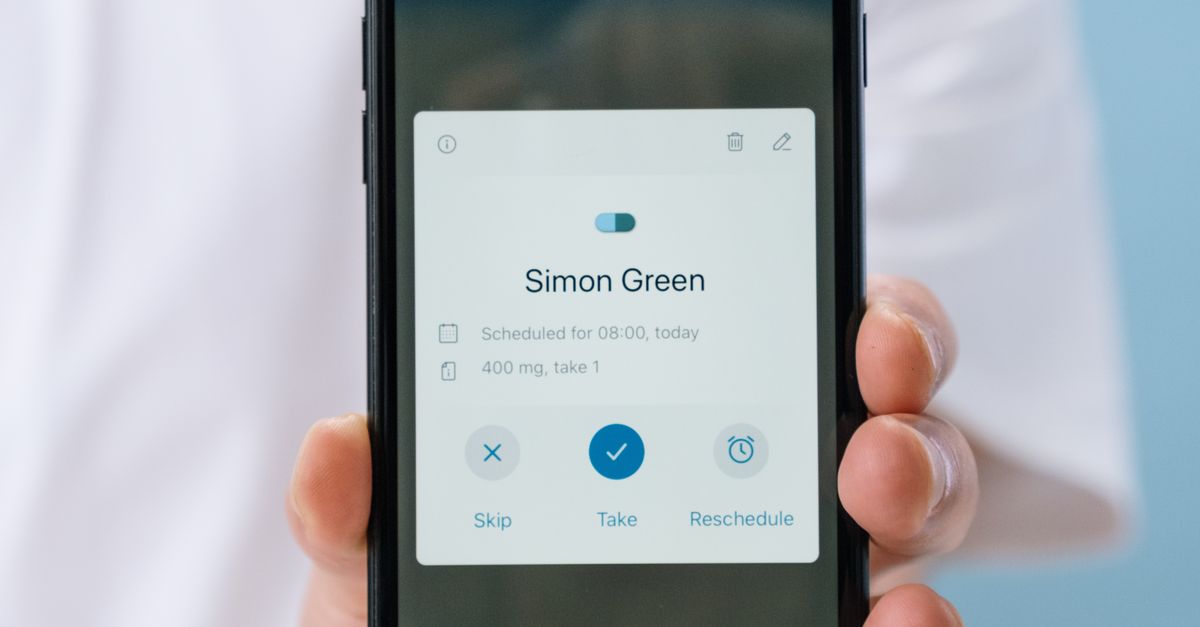
Correctly Refilling Prescriptions for Patients: The Mechanism and Necessary Conditions
Managing medication refills for chronic diseases is an integral part of continuous healthcare. Dispensing a prescription correctly the first time is crucial, but ensuring it is refilled accurately and on time is just as important. The correct refill process depends on several key factors:
- Validity of the Original Prescription: The original e-prescription must still be valid and allow for refills. The doctor specifies the number of allowed refills when creating the prescription.
- Date of Last Dispense: The system tracks the last time the medication was dispensed to the patient to ensure refills do not occur too early or too late, which could affect the patient's adherence to treatment.
- Patient Eligibility: A check must be performed to ensure the patient's status has not changed and their insurance coverage is still active.
Refill Steps from the Patient and Pharmacy Perspective:
A patient can typically request a refill through a dedicated online portal or an app associated with the health system, or simply by visiting the pharmacy and providing their national number. The pharmacy, in turn, follows the same initial procedures to look up the patient's file, but the system will display a "Refill" option for eligible prescriptions. The pharmacist reviews the record and confirms all conditions are met before confirming the refill.
Automating this process through systems like Tadawi prevents common errors such as refilling an expired prescription or exceeding the allowed number of repetitions, thereby enhancing patient safety and contributing to Reducing Clinic Operating Costs by minimizing time wasted on manual reviews.
Comparison Table: Paper vs. Electronic Prescriptions
| Feature | Traditional Paper Prescription | Electronic Prescription (via Integrated System) |
|---|---|---|
| Accuracy & Clarity | Prone to reading errors due to poor handwriting. | Always clear and legible, reducing medication errors. |
| Safety & Security | Can be lost, forged, or damaged. | Secure and encrypted; difficult to tamper with. Every step is documented. |
| Insurance Verification | A slow, manual process requiring phone calls. | Instant and automatic at the point of dispensing. |
| Refills | Requires a new prescription or manual record checks. | Automated and organized, with alerts and precise tracking. |
| Revenue Cycle Management | Complex and prone to errors in billing and claims. | Simplified and accurate, accelerating revenue collection. |

Key Terms in the World of E-Prescribing
- Clinic Management:
- Refers to the comprehensive process of organizing and coordinating all operational, administrative, and financial aspects of a medical clinic to ensure efficient workflow and high-quality patient care. The Tadawi system provides integrated solutions for this purpose.
- Revenue Cycle Management (RCM):
- The financial process of managing claims to insurance companies, payments, and revenue collection. Automating this process reduces claim denials and speeds up cash flow.
- Digital Transformation:
- The adoption of digital technology to improve processes and services in the healthcare sector, moving from paper-based systems to integrated electronic ones, such as the e-prescription system.
- Insurance Management:
- Includes all procedures related to verifying insurance eligibility, obtaining prior authorizations, and submitting and processing financial claims to insurance companies accurately and efficiently.
- Reducing Clinic Operating Costs:
- Aims to improve operational efficiency by automating routine tasks, reducing paper consumption, and minimizing administrative errors that can lead to financial losses.
Frequently Asked Questions
1. What should I do if I forget my e-prescription number?
In most cases, your national number is sufficient for the pharmacist to find your prescription. If the pharmacy's system requires the prescription number, you can usually find it in the SMS message sent to your phone when it was issued, or through the patient portal of the health platform.
2. Can I dispense part of an e-prescription and come back for the rest later?
This depends on the pharmacy's policies and the electronic system in use. Some systems allow for partial dispensing and track the remaining quantities, while others may require the entire prescription to be dispensed in a single visit. It is always best to ask the pharmacist directly.
3. How is my health data privacy ensured when using an e-prescription?
Digital healthcare systems in Jordan, including platforms like Tadawi, are subject to strict security and privacy standards. All data is encrypted, and access is restricted only to authorized users (like your doctor and pharmacist). Using the national number as an identifier adds another layer of security for identity verification.
In conclusion, the process of dispensing an electronic prescription in Jordan using the national number is a testament to the significant advancement in the country's digital health infrastructure. With robust and reliable systems like Tadawi, this process becomes not only possible but also highly efficient and secure, benefiting the entire healthcare ecosystem.
If you’d like to discover more strategies for boosting sales in your clinic, you can request a free quote for the Tadawi Clinic Management System. For frequently asked questions, click here